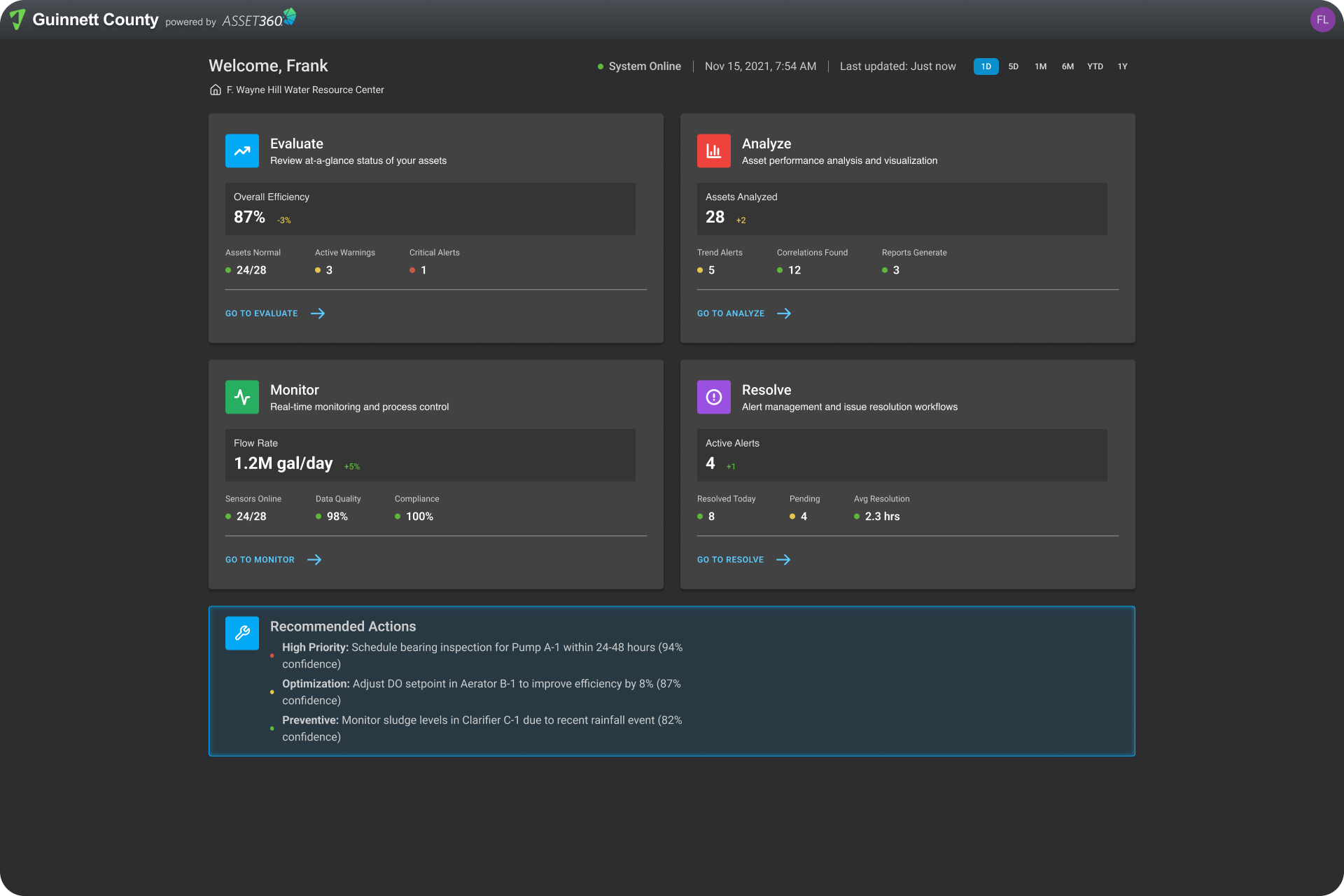
Helping industrial operations surface critical issues, identify root causes, and act with confidence without requiring deep expertise in every system they manage.
Mid-sized industrial facilities operate some of the most complex physical systems in existence. As infrastructure ages and experienced workers retire, the institutional knowledge needed to interpret that complexity is disappearing.
Atonix Digital serves large-scale industrial operators, Koch Industries, JPMorgan Chase, and others, who manage complex assets across multiple systems. The work was to design a decision-support platform that surfaces what matters, explains why it matters, and recommends what to do next. The goal: faster, more confident decisions without requiring deep expertise across every system a team oversees.
The design challenge was not to expose more data. Industrial facilities already have more data than any team can meaningfully process. The challenge was to transform continuous sensor data and machine learning outputs into clear, actionable guidance, at the moment operators need it.
Operations teams are responsible for monitoring environments of extraordinary complexity with limited time, limited staff, and increasingly limited institutional knowledge.

The conditions that create this problem compound each other. Hundreds of sensors generate continuous streams of data. Teams have limited capacity to investigate every signal. Critical knowledge is held by experienced operators who are retiring faster than organizations can replace them. When something goes wrong, operators are left with alerts they cannot fully interpret, and no reliable system for determining what to do next.
An expert operator does not read every sensor. They know which signals matter, how to interpret combinations of signals in context, and what to do when something looks wrong. The opportunity was to encode that expertise into the product itself.
Rather than presenting operators with more information to process, the system continuously monitors in the background, surfaces only what requires attention, provides clear context around why something was flagged, and recommends a course of action. The design model follows the same decision sequence an experienced operator uses: awareness, understanding, diagnosis, action.
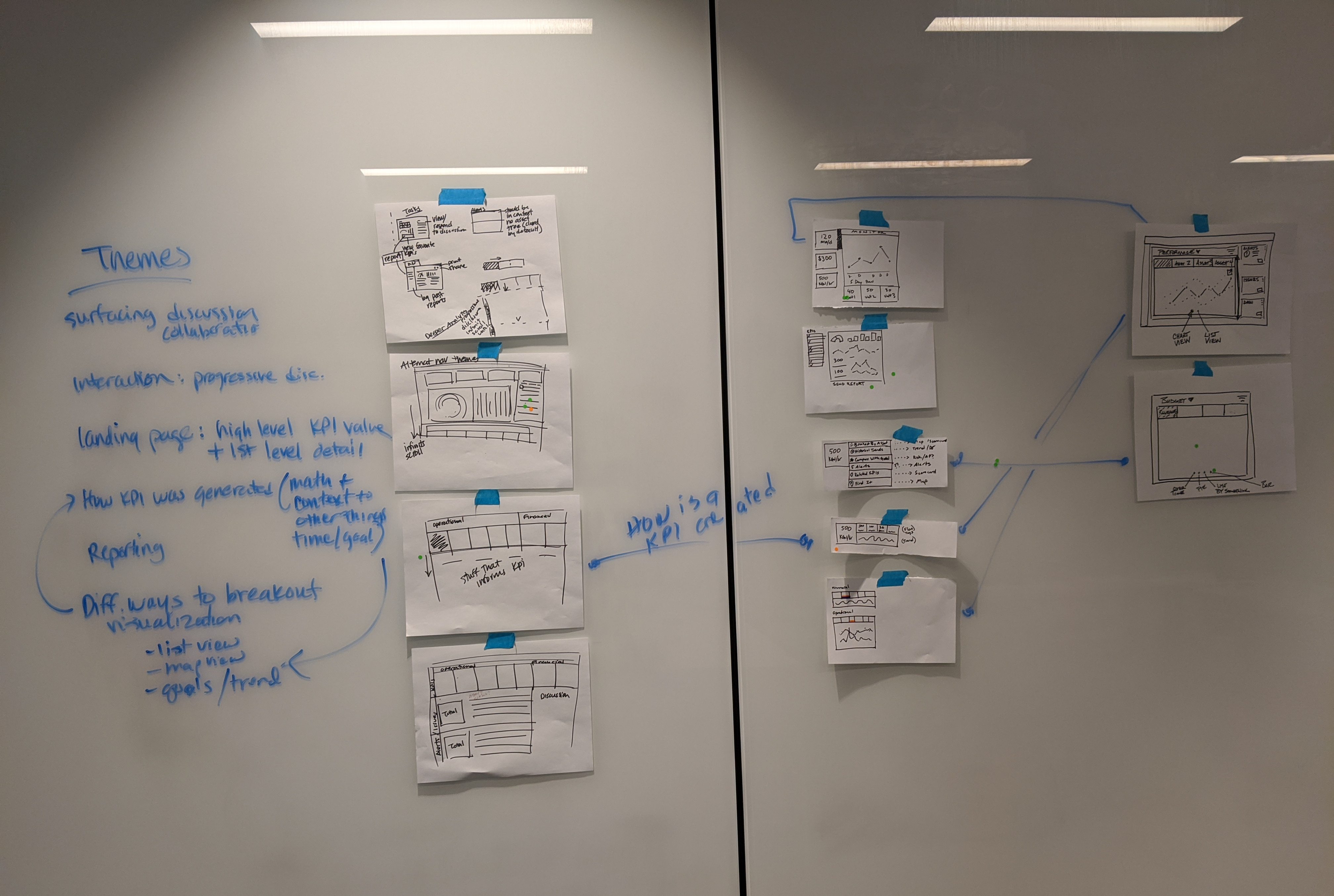
Early ideation around how to surface and prioritize alerts without overwhelming operators already managing high cognitive loads.
Each view serves a distinct moment in the operator's decision process. Together they create an unbroken path from detecting a problem to resolving it.
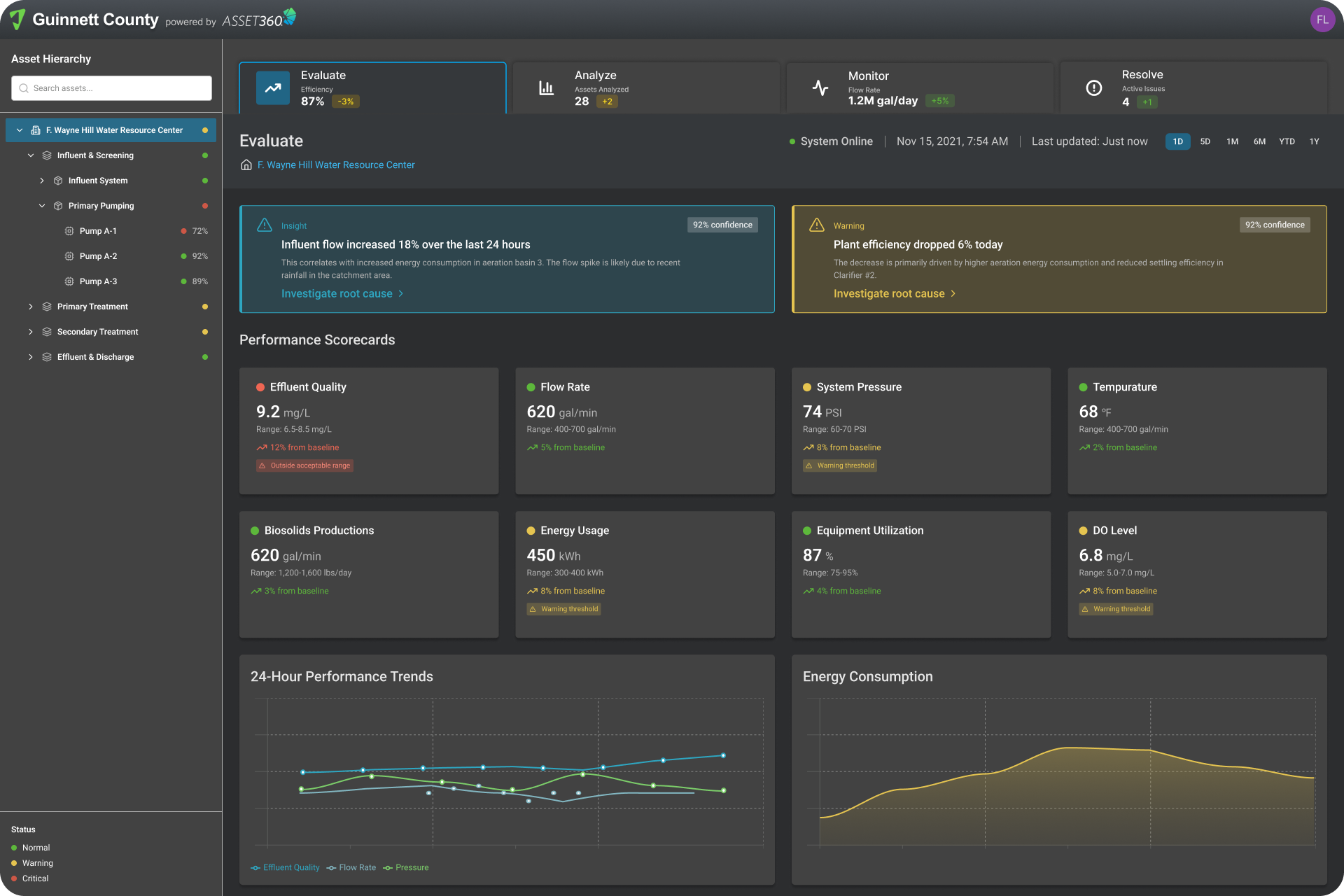
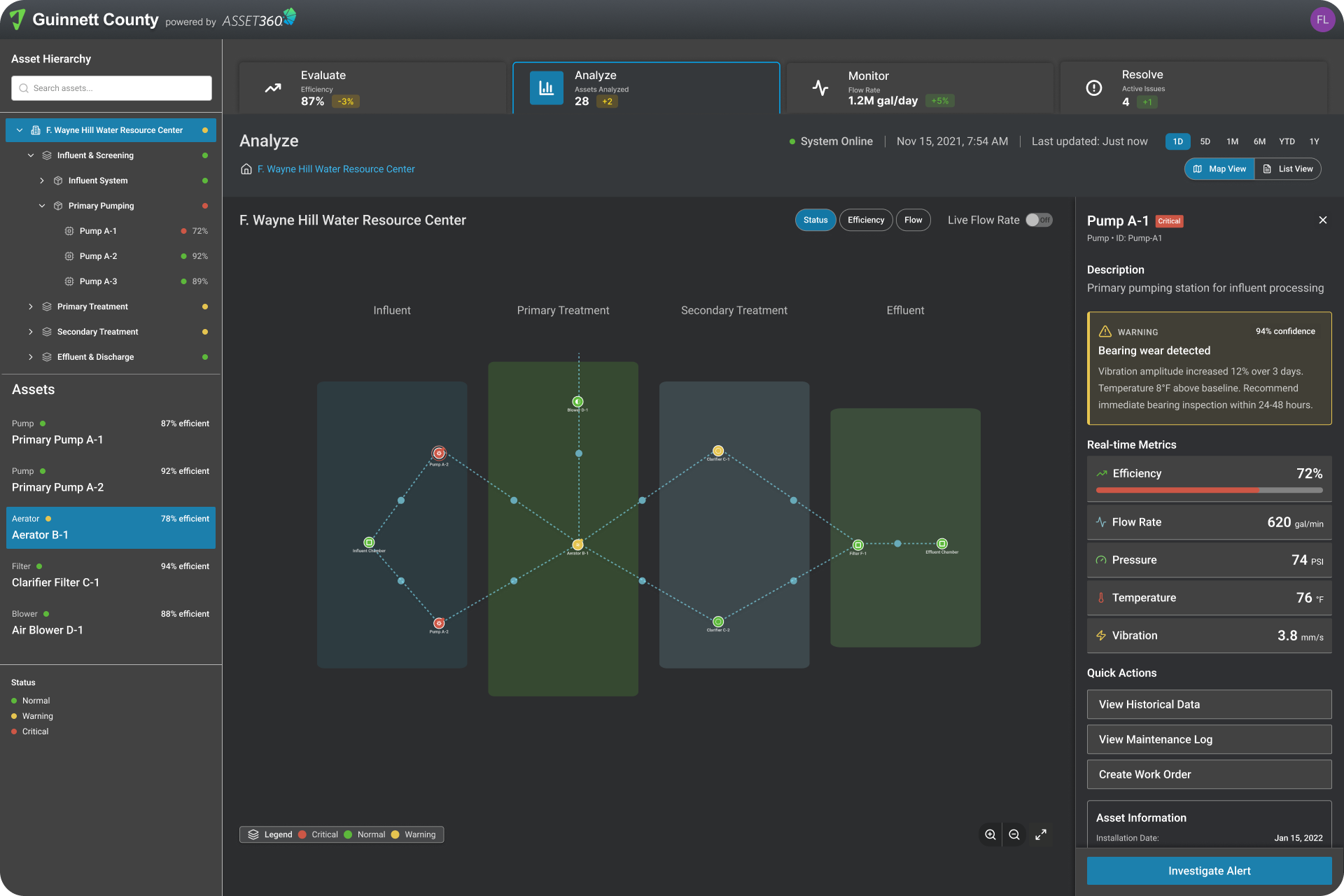
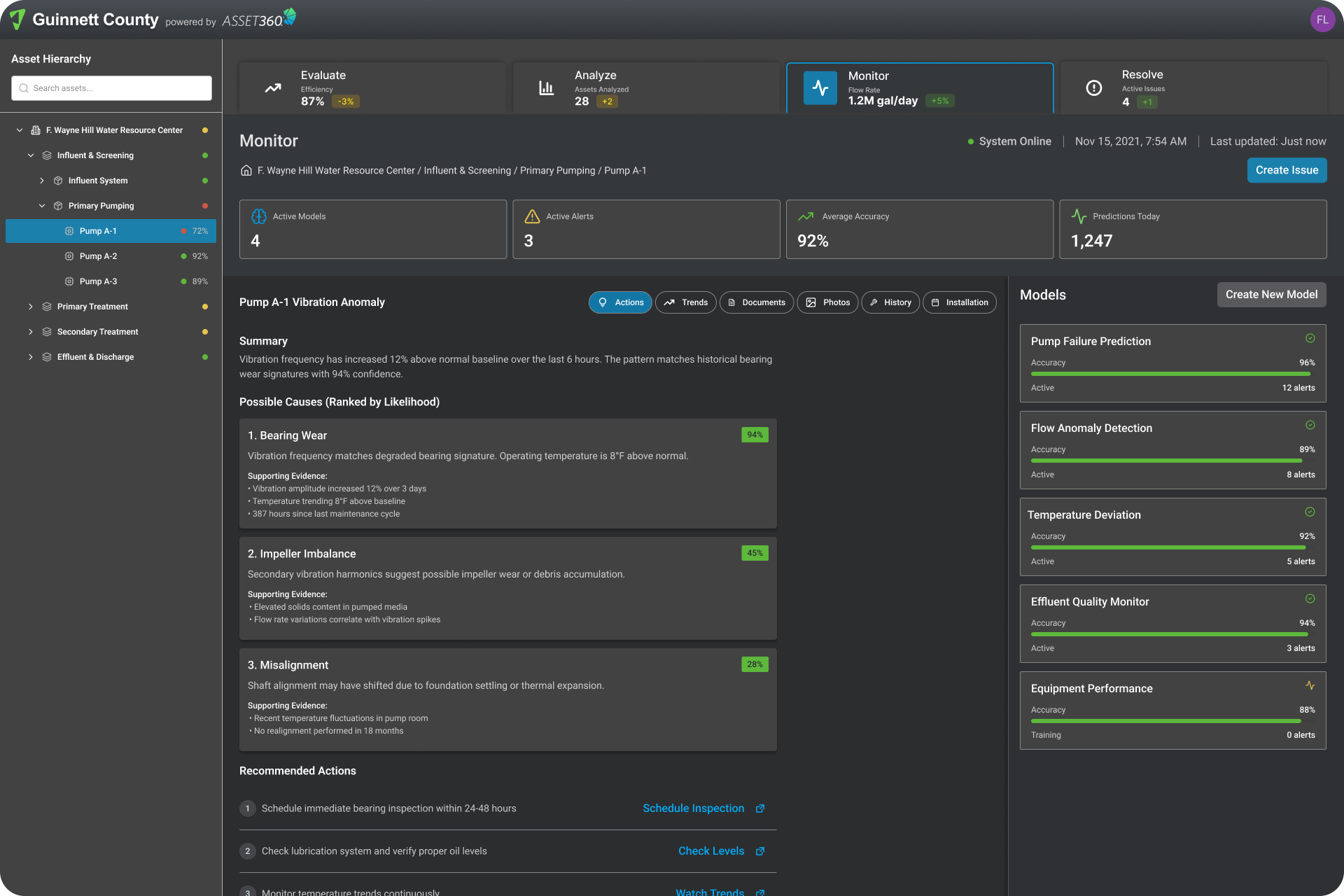
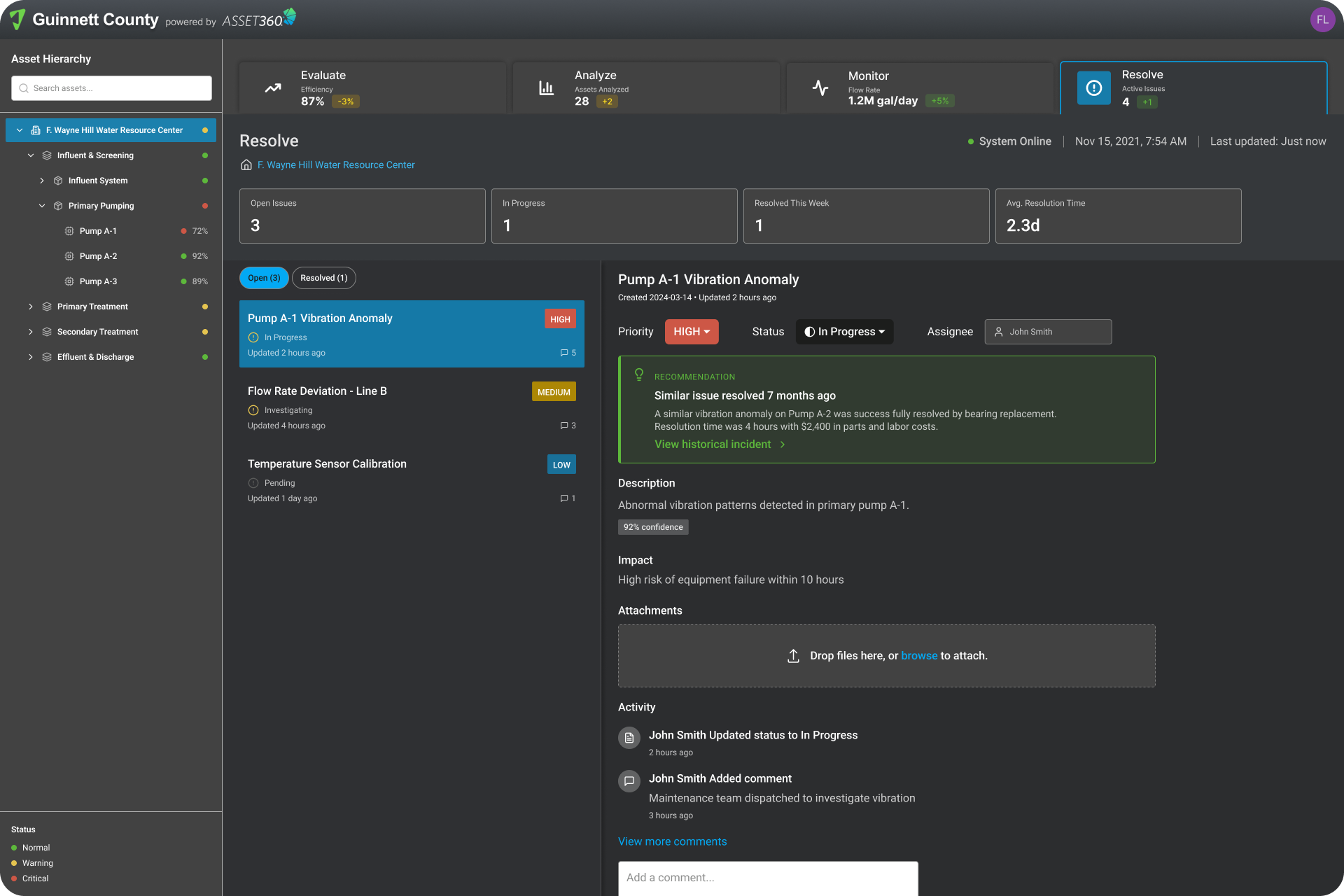
Every significant challenge in this work came back to the same root tension: operators need guidance, but they also need to trust the system giving it. Those two requirements pull in opposite directions if the design is not deliberate about how it resolves them.
The measure of a decision-support system is not whether it surfaces more information. It is whether operators make better decisions, faster, with more confidence.
Consumer software earns trust by being useful. Industrial software earns trust by being right. The stakes of an operator acting on a bad recommendation are fundamentally different from the stakes of a consumer ignoring a notification. That difference shaped every design decision in this work.
I'm currently open to new design leadership roles. Whether you're building something ambitious or improving what you already have, I'd love to connect.
Get in touch